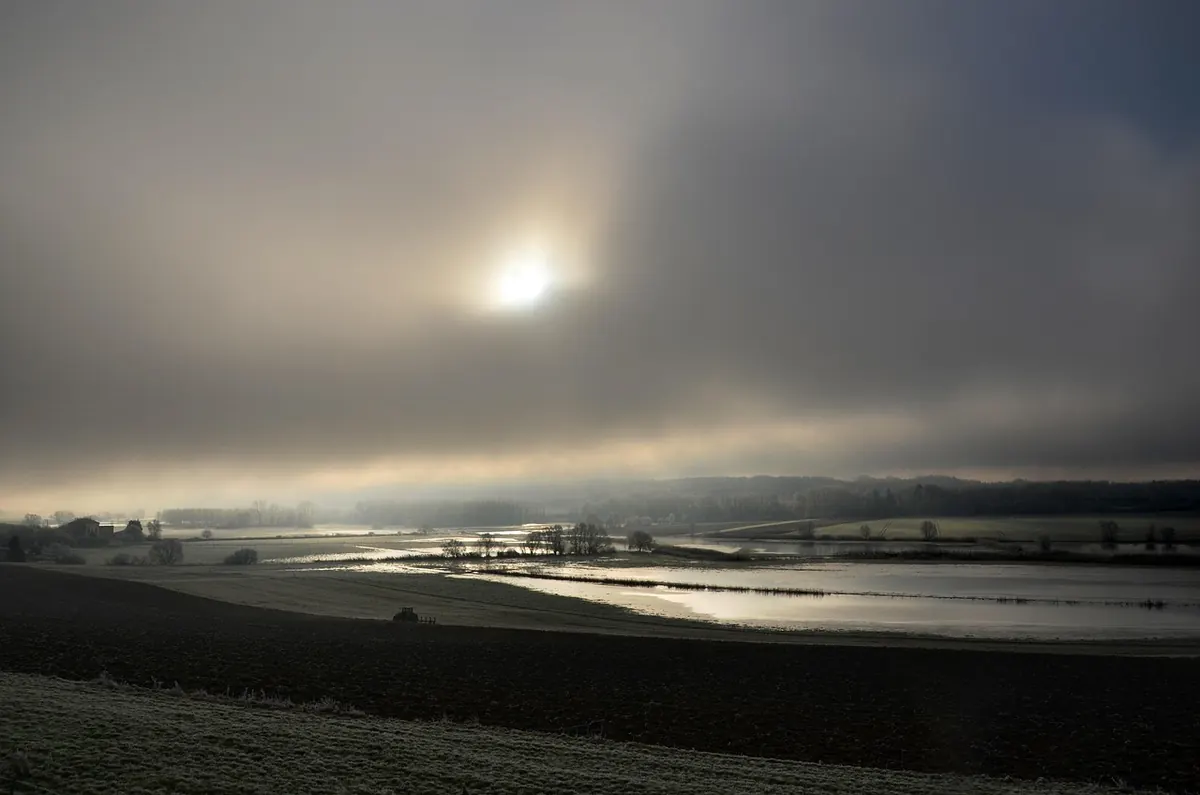
How UK Winters Are Changing: A Beginner's Guide to Warmer, Wetter Seasons
If your memory of a British winter involves scraping ice off the windscreen every morning from December to February, that memory is doing a fair bit of heavy lifting. Winters here have always been grey, damp and only occasionally freezing. What has changed is the balance between those things — and, increasingly, how much rain arrives and how fast.
None of this is obvious in any single year. One January can still deliver a fortnight of hard frost; the next can feel like a wet November that drags on until March. The signal shows up when you look at the pattern across decades rather than at one season, which is where the Met Office's long-running records are useful. Mild, wet winters are becoming more common. Cold, crisp ones are becoming less so.
Milder on average, wetter overall
Two trends matter most. The first is temperature: UK winters have been warming, in line with the other seasons, and recent decades have run noticeably milder than the middle of the twentieth century. The second is rainfall: winters have been getting wetter, with more of the rain arriving in heavy, concentrated bursts rather than as steady drizzle spread across a week.
That combination — mild and wet — is what most of us now experience. Frosty mornings are less frequent, especially across southern and lowland England, while seasonal rainfall has crept upwards, most sharply in the west and north, where Atlantic weather systems make landfall first.
Why warmer air means heavier rain
Warm air holds more moisture. For roughly every degree Celsius of warming, the atmosphere can carry about 7% more water vapour. That is physics, not a forecast. So the same weather systems that have always brought rain to these islands can now carry more of it and release it faster, which is why a wet winter increasingly means flooded roads and overflowing drains rather than a long, drizzly afternoon.
Where the jet stream sits still matters enormously. A winter with it stuck to the south brings storm after storm. A winter with it pushed north can leave the UK cold and dry under easterly winds. That variability hasn't gone anywhere.
What it looks like day to day
- Fewer hard frosts, so fewer mornings spent de-icing the car and fewer gritting runs.
- Rain that arrives in sharp bursts — enough to overwhelm gutters, drains and road gullies in an hour.
- Snow that is more often marginal, falling close to freezing and turning to slush within a day.
- Damp indoor air: condensation on windows, mould in cold corners, a musty smell in bedrooms that rarely get aired.
- Blurred seasons, with mild spells in December and January and cold snaps in March and April.
In practice, the winter jobs that matter have shifted. Keeping water out of the house is now a bigger task than keeping the cold out.
Snow hasn't disappeared — it has moved
It is tempting to write off snow altogether. Not quite. Upland Scotland, the Pennines, the Welsh hills and the Highlands still get lying snow in most winters, and a change in wind direction can still bring it to low ground almost anywhere, as the Beast from the East showed in 2018.
What has changed is frequency and geography. Lying snow is rarer at low levels in England, and when it settles it is often the heavy, wet sort that clogs branches, weighs down power lines and makes pavements more treacherous than dry powder ever did. A slushy, short-lived snowfall is now a more typical winter event than a week of crisp, frozen ground.
Homes, damp and heating bills
A milder winter doesn't automatically mean a cheaper one. You may run the heating a little less overall, but wet weather keeps everyone indoors, pushes up tumble dryer use and makes drying washing a chore. Meanwhile, much of the damp in a home is generated inside: cooking, showering and simply breathing add moisture to the air, and if the windows stay shut all day, it condenses on the coldest surfaces it can find.
The fixes are unglamorous but they work. Ventilate while you cook and shower, keep trickle vents open, dry washing outdoors whenever there's a dry hour, and run a dehumidifier in the room that suffers most. If mould keeps returning, find the source rather than painting over it — a leaking gutter or a bridged damp course will win every time.
If damp or mould is affecting your breathing, especially if you have asthma or another lung condition, speak to your GP. Housing conditions are also a landlord's responsibility, and Citizens Advice or your council's environmental health team can tell you where you stand. For anything involving your health or your tenancy, get proper advice rather than relying on a forum thread.
Flooding and travel: a winter checklist
Flooding is the winter risk most worth preparing for, and most of the preparation takes an afternoon.
- Clear gutters, downpipes and drains before the wet season starts, and check that your garden drains away from the house rather than towards it.
- Look up your flood risk — the Environment Agency, Natural Resources Wales, SEPA and DAERA all publish maps — and sign up for free flood warnings by phone or text.
- Move irreplaceable items, along with electricals, out of cellars or ground floors that have flooded before.
- Keep one kit in one place: torch, batteries, bottled water, a waterproof bag with insurance documents, and a phone charger.
- Know where your stopcock is, and how to switch off the gas and electricity if you have to.
Check that your buildings and contents cover includes flooding, and read the excess before you need it. If standard cover is expensive or hard to find because of where you live, ask your insurer or broker about the Flood Re scheme, which exists to help households in high flood-risk areas get affordable policies.
On the road, standing water is the main hazard. You cannot judge depth from the driver's seat, and moving water is far more powerful than it looks. If a road is flooded, turn around and go the long way.
Gardens and the growing season
Gardeners spot the change before anyone else. Fewer hard frosts mean more plants come through the winter, tender shrubs hang on, and growth starts earlier in spring. It also means more slugs and snails, more pests surviving to breed, and lawns that stay waterlogged for weeks at a time.
If you want a garden that copes, work with the wet rather than against it. Raised beds help on heavy clay, mulch protects soil from being pounded by rain, and a border of plants that tolerate winter wet — dogwood, astilbe, most ferns — will look better in February than anything fussy. Keep off sodden lawns, and if a corner floods every year, plant it as a bog garden instead of fighting it.
Getting ready for the winter we actually get
The most useful change is mental. Stop planning for the winter of old postcards and start planning for the one that turns up: mild, damp, occasionally freezing, with rain that arrives in a hurry. In practice that means a working dehumidifier and clear drains before Christmas matter more than a sledge and a bag of grit.
Keep a coat that genuinely repels water by the door, wellies that fit, and a torch you
Photo: ybernardi / Pixabay

You Might Also Like
From frosty January mornings to warm, thundery August afternoons, this month-by-month guide explains typical UK weather, regional quirks and how to plan ahead.
Warmer air holds more moisture, and UK rainfall is increasingly arriving in heavier bursts. Here is what the science says about storm rainfall, flood risk and attribution studies.