Common Mistakes People Make During a Red Weather Warning (and What to Do Instead)
A red weather warning is the most serious alert the Met Office issues. It means forecasters expect widespread damage, disruption and danger to life. Red warnings are rare, which is precisely why so many of us react badly: we treat them as a louder version of amber, or assume the worst will happen somewhere else. It usually won't be somewhere else. Here are the mistakes that come up again and again — and the safer alternatives.
1. Reading the headline and not the detail
A red warning rarely covers the whole country. It applies to a named area over a specific window of time, and the timing matters as much as the geography. People see "red warning" on a phone lock screen, assume it means all day everywhere, and either panic or shrug.
Do this instead: open the full warning and read the area, the start and end times, and the "what to expect" section. Then check the flood warnings for your nation — the Environment Agency in England, Natural Resources Wales, SEPA in Scotland, and DAERA or NI Direct in Northern Ireland. Your local council or resilience forum will also post road closures and rest centre information.
Amber means be prepared and avoid travel where you can. Red means take action and do not travel unless it is genuinely unavoidable. Those are different instructions, not different volumes.
2. Going out to watch it
Storm-watching is the single most avoidable risk. Promenades, harbour walls, piers, cliff edges and bridges attract crowds just as the strongest winds arrive, and waves can come over sea defences without warning. Flying debris — roof tiles, fence panels, branches — is a real hazard well inland too.
The other trap is the lull. In some storms the wind drops sharply as the centre passes, then returns from a different direction with the same force. People head out to check the damage during that calm and get caught by the second half.
Stay inside, away from windows, and watch from a room on the sheltered side of the house if you can. If you must be outside — an evacuation, for example — keep clear of the coast, rivers, trees, scaffolding and anything that could fall or be thrown.
3. Treating a car as a safe place
Cars feel protective, which is why so many people "just nip out" before the worst hits. Two problems follow. First, wind: high-sided vehicles, caravans and trailers become unstable, and a gust can move you across a lane. Second, water.
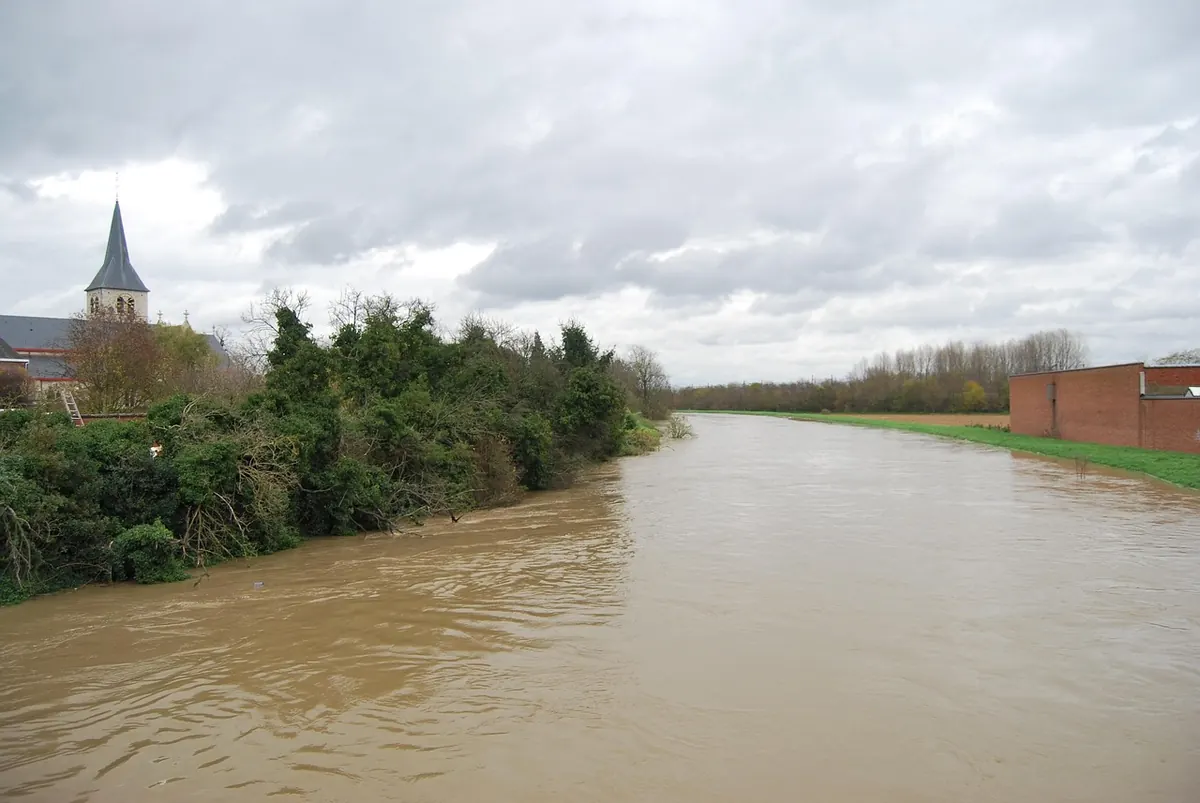
Floodwater hides how deep it is, whether the road surface is still there, and what is floating in it. Even shallow, fast-moving water can lift a car and take it off the road, and once the engine stalls, doors can be difficult to open against the pressure. A four-wheel-drive makes no difference to any of that.
Don't drive into it, and don't drive around a road-closed sign — those signs are placed by people who know what is underneath. If you are caught out, turn around and find higher ground. If water is rising around the vehicle, get out while you can and move to higher ground, rather than staying with the car.
4. Starting to prepare when the warning begins
The most useful hour is the one before the wind picks up. Use it:
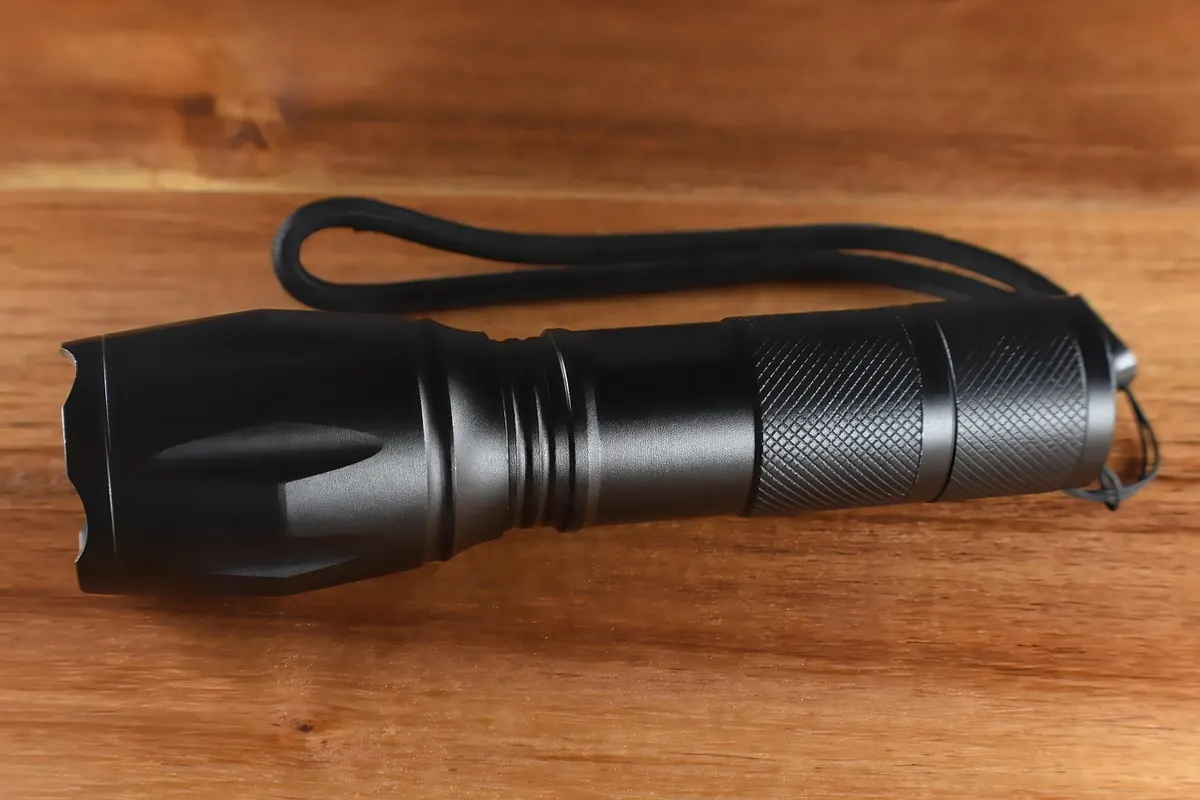
- Charge phones, power banks and any medical equipment, and dig out the torches.
- Move bins, garden furniture, trampolines and planters inside or lash them down.
- Park away from trees, walls, poles and known flood spots if it is safe to move the car now.
- Check on an older or disabled neighbour, and anyone who lives alone.
- Fill a couple of water bottles and know where your medication and documents are.
If you rely on electricity for a medical device, that conversation belongs well before the storm — with your supplier, your GP or your care team, not with a neighbour at midnight.
5. Assuming the power, water and signal will hold
Red warnings often bring power cuts, and mobile networks get congested or lose masts. Card machines and cash machines may be down even where the power stays on.
Have these ready and in one place you can find in the dark:
- Torches and spare batteries, plus a battery or wind-up radio
- Charged power banks and a car charger
- Bottled water and food that needs no cooking
- Any prescription medication, a first-aid kit and warm layers
- Pet food, a lead or carrier, and a little cash
- A printed list of key phone numbers
Familiarise yourself with 105, the free national power cut number in Great Britain. It reports outages and gives updates without needing to call your supplier.
6. Candles, generators and heaters indoors
When the lights go out, the instinct is to bring in whatever burns. That instinct causes house fires and carbon monoxide poisoning every storm season.
Never use a generator, camping stove, barbecue or petrol or diesel heater indoors, in a garage, or in a shed attached to the house. Carbon monoxide is colourless and odourless, and it kills people who feel perfectly fine until they don't. Stick to torches and battery lights rather than candles. If you develop a headache, dizziness or nausea while using any fuel-burning appliance, get into fresh air and seek medical advice urgently. This is general safety advice, not a substitute for professional medical guidance.
7. Assuming it is finished when the wind drops
The aftermath catches people too. Rivers can keep rising for hours after the rain stops, floodwater remains contaminated, and weakened trees and damaged structures can come down days later. Fallen power lines may still be live — stay well back, keep others back, and report them.
Wait for the all-clear from official sources, not from a neighbour who has just driven down the road and says it looks fine.
Your five-minute plan for the next red warning
Read the full warning and note the area and times. Decide now whether you are travelling — the answer is almost always no. Spend the calm hour on charging, securing and checking on someone. Put your kit in one place. Then stay put, keep away from windows and wait for official updates before you go anywhere. Red warnings are rare, and they pass. The aim is simply to be one of the households that has nothing to report afterwards.
Photo: Apoorv Ishan / Pexels
You Might Also Like
From frosty January mornings to warm, thundery August afternoons, this month-by-month guide explains typical UK weather, regional quirks and how to plan ahead.
Warmer air holds more moisture, and UK rainfall is increasingly arriving in heavier bursts. Here is what the science says about storm rainfall, flood risk and attribution studies.