Storm Preparedness Checklist for UK Homes: Before, During and After a Power Cut
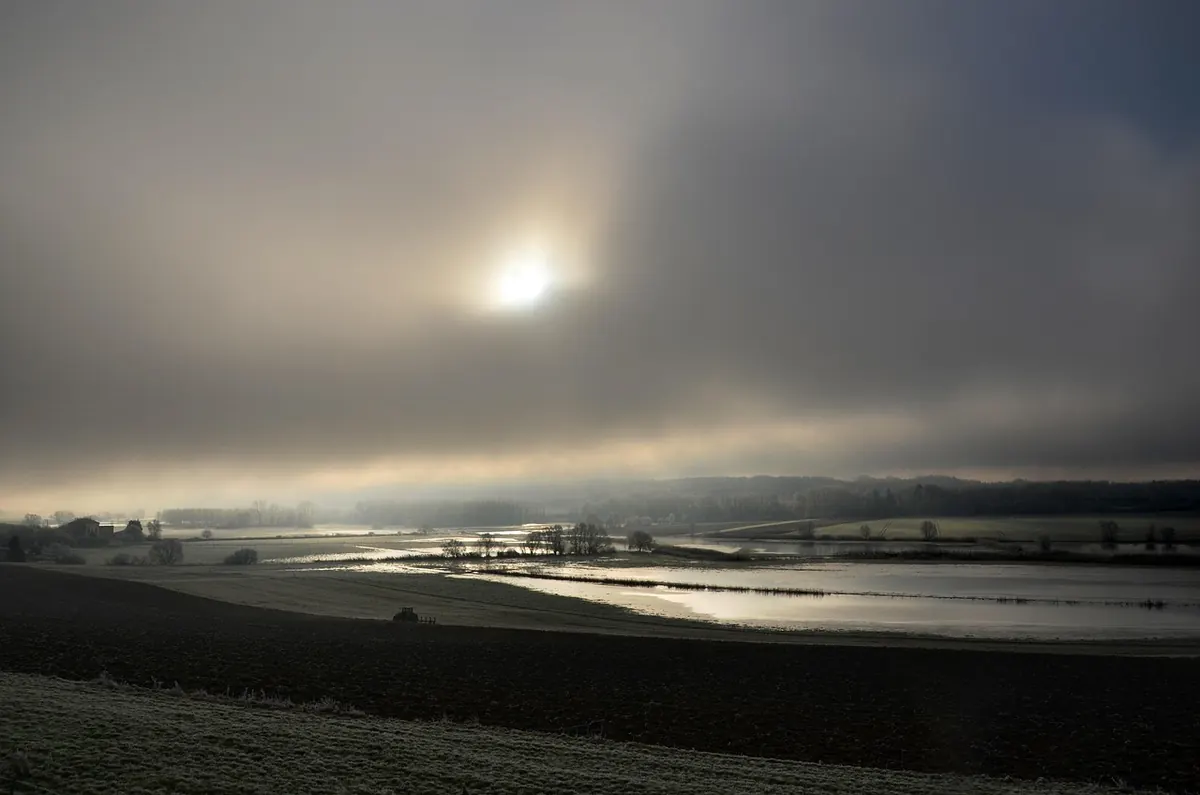
The wind gets up, the rain starts hammering the windows, and the lights flicker once before going out. By then it is too late to start looking for torches. Most of the work that makes a storm bearable takes an hour or two on a calm afternoon, and it is the difference between a mildly annoying evening and three genuinely uncomfortable days.
Before the storm: the kit worth keeping in one place
Scattered supplies are no supplies. Gather everything into a box or a deep cupboard shelf that everyone in the house knows about, and treat it as the first place you go when a weather warning is issued.
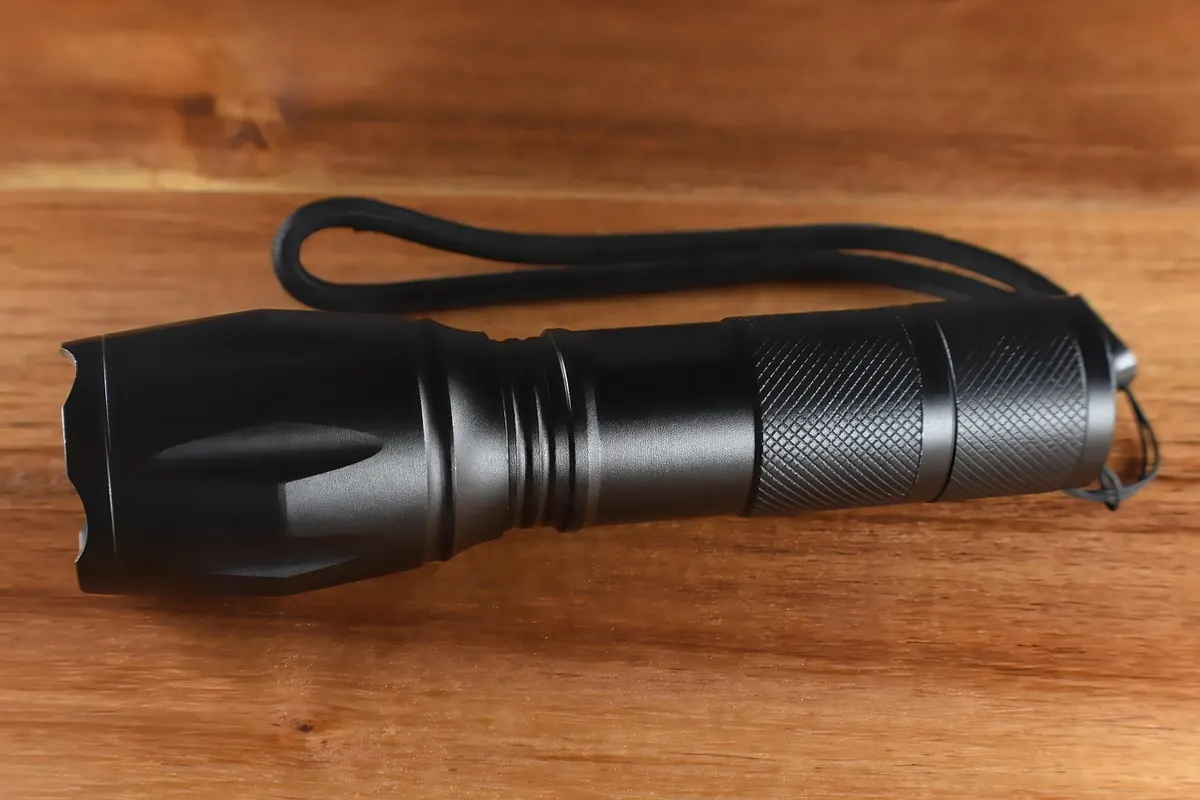
- Two working torches plus spare batteries. A head torch beats a hand torch when you need both hands free on the stairs.
- A battery or wind-up radio. When the mobile network is congested or the local mast is down, radio still works.
- Power banks, charged up. Charge them as soon as a storm is forecast, not when the power drops.
- An old corded phone if you still have a landline — cordless handsets stop working the moment the mains do.
- Water: roughly two to three litres per person per day, plus a flask or two for hot drinks.
- Food that needs neither cooking nor refrigeration: crackers, cereal bars, tinned fish or beans, long-life milk. Add a manual tin opener.
- Medicines and a first aid kit. Keep at least a week of prescription medicines where possible; ask your GP or pharmacist in advance about longer supplies.
- A paper list of numbers: 105 for power cuts, your network operator, your GP, and one neighbour you can knock for.
- Small notes and coins in case card machines are down, plus matches and a couple of blankets.
If anyone in the household depends on powered medical equipment, tell your electricity network operator now rather than during the storm. Most keep a priority register for exactly this situation, and it is free to join.
Property checks you can do in an afternoon
Most storm damage in UK homes comes from things that were never meant to fly. Walk the outside of the house and look for what the wind can lift: wheelie bins, garden furniture, trampolines, plant pots, hanging baskets, the lid of a water butt. Bring them in or lash them down. Clear leaves from gutters and drains so heavy rain has somewhere to go.
Check whether any branches sit close to overhead cables and, if so, keep well clear — never cut anything that is touching a line, and report it to your network operator instead. Learn where your fuse box and stopcock are before you need them in the dark. If you live somewhere that floods, sign up for flood warnings from the Environment Agency, Natural Resources Wales or Sepa, and move anything irreplaceable upstairs. Park the car away from trees and top up the fuel.
When the storm arrives
Stay indoors, keep away from windows, and resist the urge to go and look at the sea or the river. Most injuries in storms happen to people who went outside to watch. If a warning tells you not to travel, don't.
If the power goes off
- Check whether the neighbours have lost power too. If it is only your house, it may be a tripped switch in your own fuse box.
- Report the cut to your network operator or on 105, the free national power cut line.
- Unplug televisions, computers and games consoles. Surges when power returns can damage them.
- Leave one light switched on so you can see the moment it comes back.
- Keep the fridge and freezer doors shut. A fridge holds its temperature for a few hours; a full freezer will keep food frozen for a good deal longer.
The three mistakes that cause real harm
Never bring a barbecue, camping stove or petrol generator indoors — not into the garage, not into a conservatory, not into a porch.
Carbon monoxide kills quietly and without smell, and every year people are poisoned by equipment used under cover. Generators belong outside, well away from doors and windows. Candles are the other common cause of trouble: they get knocked over, they get left burning, and they set fire to curtains. Use torches and lanterns instead, and if you must use candles, keep them on a stable surface away from anything that can burn and never leave the room.
Getting through a long outage
Warmth matters more than most people expect, especially if the heating is off in winter. Choose one room to occupy, close the doors, and dress in layers rather than relying on a single thick jumper. Eat from the fridge first, then the freezer, so the frozen food that is hardest to replace lasts longest. If water supplies are interrupted, follow any boil water notice from your water company, and use bottled or boiled water for drinking, brushing teeth and preparing food.
Phones should be kept on low power mode, and charged in the car if necessary — with the car parked outside, never with the engine running in a closed garage. Check on elderly or unwell neighbours, and if you are worried about anyone's health, call 111 rather than waiting it out. For advice specific to your circumstances, your GP or pharmacist is the right place to ask.
After the power comes back
Give it a minute before plugging everything back in, then reset clocks and check the freezer. Food that is still firm and icy can be cooked or refrozen; anything that has thawed and warmed should go in the bin. If you are unsure, throw it out.
Photograph any damage before you clear it up, and ring your insurer before disposing of anything spoiled or broken. Keep receipts for emergency costs such as a night in a hotel or replacement food. If you see a fallen power line, stay well back and report it — assume it is live. For anything involving a claim, your insurer's guidance takes priority over general advice.
A ten-minute drill that pays for itself
Once a season, open the box, test the torches, charge the power banks, replace the water, and walk the household through the basics: where the kit lives, who checks on whom, and what happens if the lights go out while everyone is home. Preparedness is not about predicting the weather. It is about not having to think when the wind gets up and everything goes dark.
Photo: Ray_Shrewsberry / Pixabay
You Might Also Like
From frosty January mornings to warm, thundery August afternoons, this month-by-month guide explains typical UK weather, regional quirks and how to plan ahead.
Warmer air holds more moisture, and UK rainfall is increasingly arriving in heavier bursts. Here is what the science says about storm rainfall, flood risk and attribution studies.